If you drive an electric car in the UK, Octopus Energy EV charging is likely to have appeared on your radar. Octopus Go and Intelligent Octopus Go can make overnight charging considerably cheaper, but the best results depend on choosing the right tariff, charger and settings.
The good news is that smart charging is not as complicated as it sounds. You do not need to become an energy-market wizard or sit beside your driveway with a stopwatch. You simply need the right setup and a clear understanding of how Octopus schedules your car.
At EV Power Point, we help homeowners across Worcestershire, Warwickshire and the West Midlands choose and install smart chargers that suit both their vehicle and their tariff. Our roots are firmly in Redditch, but the advice applies to EV drivers across the UK.
Important: Octopus tariffs, prices, compatibility and eligibility can change. Always check the current Octopus Go information, Intelligent Octopus Go page and tariff terms before switching.
Octopus Go vs Intelligent Octopus Go
Both tariffs are designed to make charging at home more affordable, but they work differently.
| Feature | Octopus Go | Intelligent Octopus Go |
|---|---|---|
| Compatible EV | Any electric car | Only eligible cars, or use a compatible smart charger |
| Compatible charger | Any charger, including a basic setup | Compatible charger required if your car is not supported |
| Cheap home-energy window | Typically 00:30–05:30 | Typically 23:30–05:30 |
| Smart charging outside the fixed window | No | Yes, when scheduled by Octopus |
| Smart meter required | Yes | Yes |
| Best for | Drivers who want a simple fixed overnight schedule | Drivers who want Octopus to optimise charging automatically |
How Octopus Go works
Octopus Go offers a fixed overnight off-peak period, currently shown by Octopus as 00:30 to 05:30. Your EV charging and other household electricity used during that window receive the cheaper unit rate.
You do not need a particular brand of home charger. You can use a smart wallbox, a conventional charger or another suitable home-charging arrangement. However, you must have an EV that you charge at home, an Octopus electricity supply and a compatible smart meter that can provide half-hourly readings.
The main limitation is that Octopus Go does not automatically control your charging equipment. You set the schedule yourself using the car or charger app.
How Intelligent Octopus Go works
Intelligent Octopus Go adds automatic smart charging. You connect your eligible vehicle or charger through the Octopus app, tell Octopus when you need the car and how much charge you want, and the system chooses suitable charging periods.
The tariff currently provides a cheap whole-home period from 23:30 to 05:30. Octopus can also schedule up to six hours of smart charging at the off-peak rate, sometimes outside that fixed overnight window when electricity is expected to be cheaper and often greener.
If you need energy immediately, you can use a boost or “bump charge”, but this is generally charged at the applicable day rate. In other words, smart charging is the money-saving setting; emergency charging is the “I forgot to plug in last night” setting.
Is your EV or charger compatible?
Intelligent Octopus Go requires Octopus to communicate with either your car or your smart charger. You do not necessarily need both to be compatible: one supported device may be enough.
Compatibility is model-specific and can depend on the vehicle’s software, connected services and API access. Octopus regularly adds new models and integrations, so a list found online can become out of date surprisingly quickly.
Compatible charger ranges commonly associated with Intelligent Octopus Go include models from:
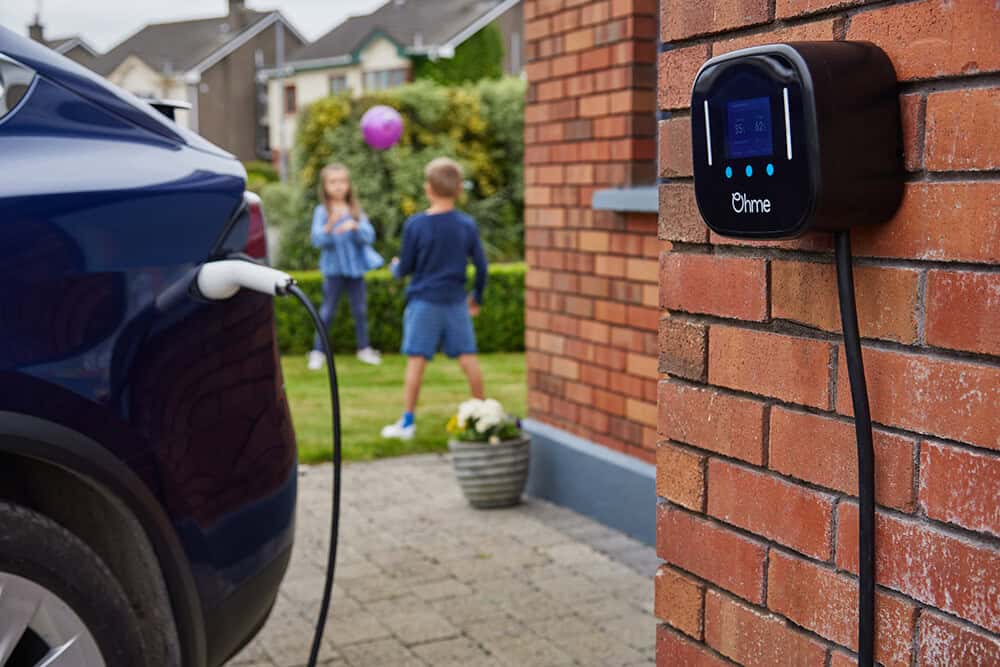
- Ohme, including the Home Pro and ePod
- myenergi Zappi
- Andersen
- Hypervolt
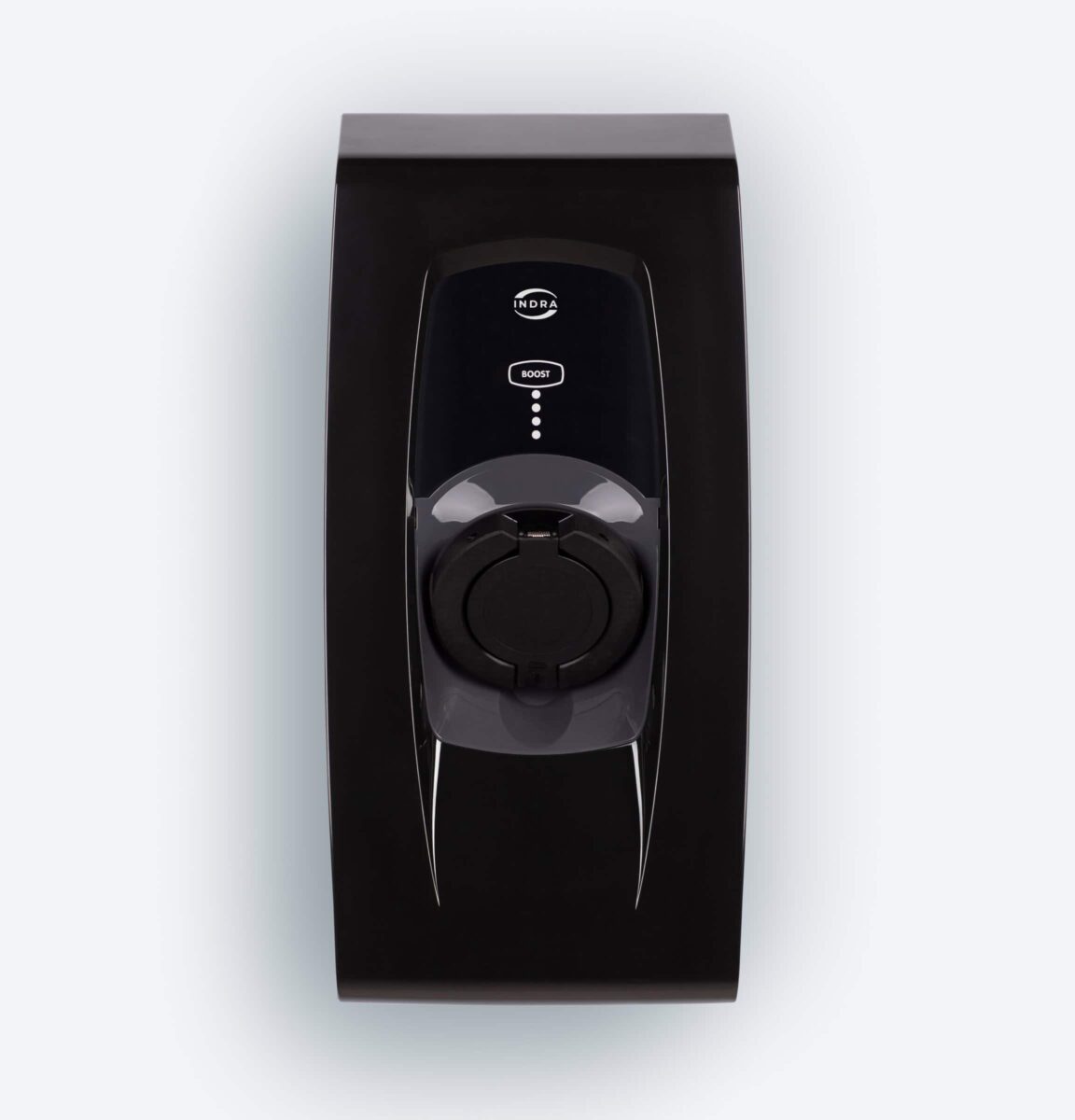
- Indra
- VCHRGD
- Easee
- Selected Wallbox and Pod Point models
Octopus has also announced support for Andersen home chargers, but we still recommend checking your exact model through the official compatibility checker before committing to a tariff or charger.
A compatible car may also allow Intelligent Octopus Go to control charging directly, even if your wallbox is relatively basic. Conversely, if your vehicle is not supported, choosing a compatible smart charger can provide the necessary link.
If you are comparing chargers, our EV charging point installation page includes options such as Ohme, Indra, Zappi, Andersen, Hypervolt and other leading manufacturers.
How much could you save?
Let us use a simple example rather than promising that your electricity bill will magically shrink by the exact amount shown in a glossy advert.
Suppose your car takes around 40kWh from the charger. At 8p per kWh, that charging session costs approximately £3.20, before allowing for charging losses. At 26p per kWh, the same energy costs about £10.40. That is a difference of roughly £7.20 per session.
If you charge twice a week, the theoretical annual difference could be around £750. In real life, your result will depend on:
- How many miles you drive
- Your vehicle’s efficiency
- How much energy you use elsewhere in the home
- Charging losses
- Your Octopus day rate and standing charge
- How consistently your charging is shifted into cheaper periods
- Whether you need occasional daytime boost charges
Octopus currently advertises typical savings of £771 over the previous year for Intelligent Octopus Go customers compared with its standard variable tariff. That is a supplier calculation based on actual usage patterns, not a guarantee for every household.
Before switching, compare the whole tariff rather than looking only at the headline charging rate. A lower overnight price may be offset slightly by the day rate, particularly if your household uses a lot of electricity during peak hours.
Making smart charging work properly
Smart charging is most effective when you give the system accurate information. In the Octopus app, set a realistic departure time and the amount of charge you need. If you regularly leave at 7:30am, do not set the car to be ready at 5:30am unless you have a particularly good reason. The extra buffer may reduce the flexibility available to Octopus.
Plug the car in when you arrive home and leave it connected until the planned departure time. Intelligent charging works by choosing from the hours when the car is available, so a narrow window gives it fewer options.
Your home Wi-Fi or the charger’s mobile connection also matters. A smart charger needs reliable communication to receive schedules and report charging data. During installation, we check the proposed location, signal strength, cable route and access to the consumer unit.
If you have solar panels, charger choice becomes more important. Some units, including the myenergi Zappi, are designed with solar integration in mind. You can read more in our guide to charging your EV with solar panels.
Home EV charger installation: what needs checking?
A typical UK home EV charger supplies around 7kW on a single-phase domestic supply. That is usually fast enough to add a useful amount of range overnight, although your car’s onboard charger may accept less.
A proper home EV charger installation is more than fixing a box to the wall. Your installer should assess:
- The distance between the consumer unit and charger
- Cable routing, including whether trenching or external protection is needed
- The capacity and condition of the existing electrical installation
- Earthing arrangements, including PME and PEN-fault protection
- RCD and overcurrent protection
- Wi-Fi or mobile connectivity
- Whether dynamic load management is appropriate
- Any requirement to notify the Distribution Network Operator
The charger should normally have its own dedicated circuit. EV charging is a continuous load, so the cable, protective devices and accessories must be designed for the charger’s full rated current.
Where the property has limited supply capacity, dynamic load management can monitor the home’s overall demand and temporarily reduce the charging current when ovens, showers or other high-load appliances are running. This can avoid unnecessary supply upgrades, but it must be properly designed and documented. It should never be treated as a shortcut around electrical safety.
All electric car charger installation work should comply with the current edition of BS 7671, particularly the requirements of Section 722, alongside relevant IET guidance and building regulations. Protection against electric shock, suitable RCD arrangements and open-PEN fault protection are essential.
Government guidance also requires residential chargepoints covered by relevant grant schemes to meet technical standards, including BS EN 61851 and smart-charge-point requirements. The GOV.UK residential chargepoint specification provides further detail.
At EV Power Point, our directly employed engineers handle the installation, certification, DNO notification and app setup. We provide fixed pricing, practical advice and no hard sell. If your home needs load management or additional electrical work, we explain why before anything begins.
Which charger should you choose?
If your car is already compatible with Intelligent Octopus Go, you may have more freedom when choosing a wallbox. If it is not, selecting a compatible smart charger is a sensible way to keep your options open.
The Ohme Home Pro and Ohme ePod are popular choices for Octopus customers because their smart-tariff integration is well established. The Indra Smart Pro offers advanced smart features and solar readiness, while the Zappi is particularly attractive for homes with solar panels. Andersen chargers may suit you if appearance and premium build quality matter as much as connectivity.
There is no universal “best” charger. The right choice depends on your car, parking arrangement, cable preference, solar system, Wi-Fi signal, budget and future plans.
You can explore our finance options if spreading the cost of installation would make things easier. We offer interest-free finance and buy-now-pay-later options, subject to the relevant terms and eligibility.
A practical setup checklist
- Check your exact EV and charger eligibility on Octopus’s current compatibility checker.
- Confirm that your smart meter can provide the required half-hourly readings.
- Compare the full Octopus tariff, including day rates and standing charge.
- Choose a suitable 7kW smart charger if you want convenient app control.
- Arrange a professional survey and fixed-price quote.
- Ask your installer how they will manage maximum demand, earthing, RCD protection and DNO notification.
- Connect the charger or vehicle in the Octopus app after installation.
- Set a realistic departure time and use boost charging only when necessary.
Frequently asked questions
Can I use Octopus Go without a home wallbox?
Yes. Octopus Go is designed to work with any EV and charger arrangement, provided you meet the tariff requirements. For regular home charging, though, a dedicated 7kW wallbox is generally more convenient, weather-resistant and manageable than relying on a domestic socket.
Do I need an Ohme charger for Intelligent Octopus Go?
No. Ohme is a popular compatible option, but it is not the only one. You may qualify through a compatible EV or another supported smart charger. Always check the exact model with Octopus.
Can I charge outside the 23:30–05:30 window?
With Octopus Go, you normally schedule charging within the fixed 00:30–05:30 off-peak period. With Intelligent Octopus Go, Octopus may schedule smart charging outside the fixed window, and that scheduled charging is billed at the off-peak rate under the tariff rules.
Is a smart meter essential?
Yes, smart tariffs such as Octopus Go and Intelligent Octopus Go require a suitable communicating smart meter. Octopus states that SMETS2 and some SMETS1 meters can be supported.
Will smart charging damage my battery?
Smart charging changes when the car charges, not the fundamental charging method. Follow the vehicle manufacturer’s guidance, avoid keeping the battery at 100% unnecessarily and set a sensible charge limit where appropriate.
Can EV Power Point install a charger that works with Octopus?
We install chargers from a wide range of manufacturers and can advise on models suited to Octopus smart charging. Speak to our team through the EV Power Point contact page for a fixed-price recommendation based on your property and vehicle.
The takeaway
Octopus Energy EV charging can reduce the cost of running an electric car, particularly when you regularly charge overnight and use a compatible vehicle or smart charger. Octopus Go keeps things simple with a fixed off-peak window, while Intelligent Octopus Go adds automatic scheduling and occasional cheaper charging outside the standard overnight period.
The tariff is only one part of the picture. A safe, well-designed home EV charger installation gives you faster charging, better control and a setup that can work reliably for years.
If you are in Worcestershire, Warwickshire or the West Midlands, our family-run team can help you choose the right charger without jargon or pressure. We can also advise customers elsewhere in the UK. Get in touch with EV Power Point and let’s make your next charge a little cheaper: and considerably less faff.