If you drive an electric car, charging at home is usually the simplest and most affordable way to keep moving. Pair a properly installed smart charger with the right Octopus Energy tariff, and your driveway can become a surprisingly effective fuel-saving machine.
In this guide, we’ll explain how electric car charger installation works, how Octopus Energy EV charging tariffs such as Intelligent Octopus Go operate, and what you need to know before choosing a smart charger such as Ohme or myenergi Zappi.
We’ll also explain where professional installation matters, because connecting a charger is not quite the same as plugging in a desk lamp and hoping for the best.
Why combine a home EV charger with Octopus Energy?
Public charging is convenient, but it can be considerably more expensive than charging at home. A home charger lets you top up overnight, avoid queues and make better use of off-peak electricity prices.
Octopus Energy’s Intelligent Octopus Go tariff is designed to automate this process. According to Octopus, eligible customers can access smart charging from as little as 8p per kWh, with six hours of low-cost home energy every night between 11:30pm and 5:30am. Exact rates vary by region and can change, so it’s important to check the latest quote before switching.
The tariff can also schedule charging during additional cheaper periods when energy is expected to cost less and often be greener. You tell the app how much charge you need and when the car must be ready; the system then works out when to charge.
For example, if your EV needs 30kWh overnight, charging at 8p per kWh would cost approximately £2.40 before considering charging losses. At 26.11p per kWh, which Octopus quotes as the average July 2026 price-cap unit rate, the same energy would cost around £7.83. Your real-world saving depends on your tariff, vehicle efficiency and charging habits, but the difference can add up quickly.
Octopus says customers typically saved £771 over the previous year compared with its standard variable tariff. That figure is not a guarantee, and it includes household energy-use patterns as well as EV charging, but it illustrates why smart charging is attracting so much attention.
What do you need for Intelligent Octopus Go?
To use Intelligent Octopus Go, you’ll generally need:
- An electricity supply with Octopus Energy.
- A compatible smart meter sending half-hourly readings.
- Either a compatible electric vehicle or a compatible smart home charger.
- A reliable internet connection for the charger or vehicle integration.
The compatibility list can change, so always use Octopus Energy’s official Intelligent Octopus Go eligibility checker before choosing your equipment.
You do not necessarily need both a compatible car and a compatible charger. In many cases, either one can provide the connection Octopus needs. However, if you’re installing a new charger specifically for smart-tariff charging, choosing a model with proven Octopus integration gives you a much smoother setup.
Professional electric car charger installation: what’s involved?
A professional home EV charger installation starts with assessing your property rather than simply picking a charger from a catalogue.
We look at the position of your consumer unit, the proposed charger location, the cable route, the available electrical capacity and whether any additional protection or network approval is needed. We’ll also discuss practical details such as whether you prefer a tethered cable, a socketed charger or a particular finish to complement your home.
A standard 7kW charger can add roughly 7kWh of energy per hour under suitable conditions. Your car’s onboard charger, battery temperature, state of charge and the property’s electrical supply can all affect the actual rate.
Our engineers then install the charger securely, route cables neatly, complete the required electrical checks and commission the unit. We’ll help you connect the relevant app and explain how to schedule charging, monitor energy use and override the schedule when you need an immediate top-up.
At EV Power Point, our team is based in Worcestershire and serves customers across Worcestershire, Warwickshire and the West Midlands. We use directly employed, in-house engineers rather than subcontractors, and we provide fixed-price quotes with no hidden extras.
For more information, see our home EV charging installation service.
Ohme and Octopus Energy EV charging

Ohme chargers are particularly popular with drivers looking for close integration with smart tariffs. Models such as the Ohme Home Pro and Ohme ePod can communicate with Octopus through the relevant apps and online services.
Once the charger is installed and online, you can usually begin the setup in the Octopus Energy app by opening Devices, selecting Add Device, choosing Electric vehicle and then selecting Ohme and your charger model.
One important detail is that Intelligent Octopus Go can be connected either to a compatible EV or to the charger, but you should avoid connecting both at the same time. Conflicting schedules are a reliable way to make a smart charger behave rather less intelligently.
Ohme recommends connecting the charger where possible, as this allows you to continue using the Ohme app to set a charge target, choose a ready-by time and monitor charging. If Octopus initially directs you to connect through your car, you may need to ask Octopus to enable the charger-login option. Ohme says this request can take one working day to process.
When successfully integrated, Octopus schedules charging during the cheapest suitable periods, while the Ohme app remains central for charging controls and information.
Zappi, solar compatibility and Octopus
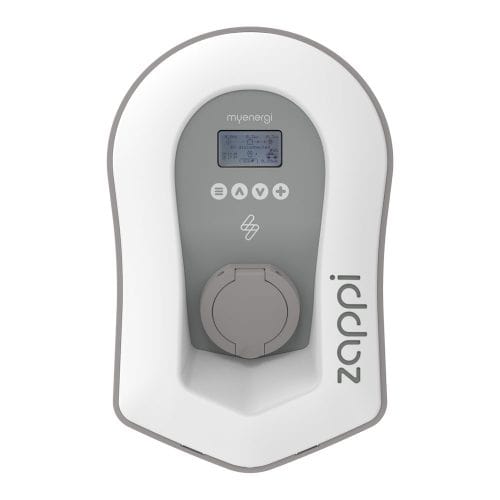
The myenergi Zappi is a strong option for households with solar panels, battery storage or plans to install solar in the future. It can charge from the grid but also divert surplus renewable energy to your vehicle.
Zappi can integrate with Intelligent Octopus Go in two ways: through the vehicle or through the charger. If you want to preserve Zappi’s solar-diversion functionality, the charger-based integration is usually the more suitable route.
For this setup, your Zappi must be online and running compatible firmware. The charger is generally placed in Eco+ mode, allowing Octopus to control scheduled charging while Zappi can still use surplus solar outside those sessions.
Before connecting everything, remove conflicting timed boosts or charging schedules from both the vehicle and charger. The Octopus and myenergi apps also need to be linked correctly.
As always, check the latest requirements with myenergi’s official Zappi guidance and Octopus’s compatibility checker. Firmware requirements and integration options can change.
Ohme vs Zappi for smart charging
| Feature | Ohme | myenergi Zappi |
|---|---|---|
| Intelligent Octopus Go integration | Strong smart-tariff integration | Supported integration |
| Best suited to | Drivers prioritising automated tariff charging | Homes with solar or future solar plans |
| App controls | Charge targets, ready-by times and monitoring | Charging modes, solar management and monitoring |
| Solar surplus charging | Depends on the wider system and setup | A key feature through Eco+ mode |
| Installation choice | Tethered or untethered options depending on model | Tethered or untethered options depending on model |
Neither charger is universally “better”. The right choice depends on your vehicle, driveway, solar setup, desired cable arrangement and how much control you want over charging.
We also install other major manufacturers, including Andersen, EO and Ratio. Our advice is independent, so we can recommend the charger that fits your home and budget rather than pushing whichever model happens to be sitting nearest the warehouse door.
How much does home EV charger installation cost?
The total cost depends on the charger you choose and the complexity of the installation. Cable length, the position of your consumer unit, access to the property, additional groundwork and any required electrical upgrades can all affect the price.
That is why a headline “from” price is not always helpful. We provide a fixed-price quote after reviewing your requirements, so you know what you’ll pay before the work begins.
If paying upfront is inconvenient, our EV charger finance options include interest-free payment plans, subject to approval and the relevant finance-provider terms. We also explain the options in our guide to paying monthly for EV charger installation.
Spreading the cost can make sense if you begin saving on public charging and petrol or diesel immediately, but always check that the monthly payment works comfortably within your budget.
How to get the most from Octopus Energy EV charging
Once your charger is installed, a few simple habits can help maximise the savings:
- Plug in when you arrive home. Intelligent charging works best when the car is connected for several hours.
- Set an accurate ready-by time. If you need the car at 7am, tell the app rather than relying on guesswork.
- Avoid overlapping schedules. Disable unnecessary timers in the vehicle and charger.
- Keep the charger online. A lost internet connection can prevent smart scheduling.
- Use a bump or boost charge only when necessary. Immediate charging may be billed at the day rate.
- Review your actual costs. The charger or energy app can help you understand how much you spend and whether the tariff suits your routine.
Which one should you choose?
If your priority is straightforward automated charging with Intelligent Octopus Go, an Ohme charger could be a sensible choice. If you have solar panels or want to make more use of surplus renewable energy, a Zappi deserves serious consideration.
The most important decision, however, is not just the logo on the charger. A correct, safe and tidy installation is what allows the equipment to perform reliably for years.
At EV Power Point, we offer honest advice, fixed pricing and professional electric car charger installation across Worcestershire, Warwickshire and the West Midlands. Our in-house engineers can help you choose the right 7kW smart charger, complete the installation and guide you through the app setup.
Request your fixed-price EV charger installation quote and start turning your driveway into your cheapest fuel station.