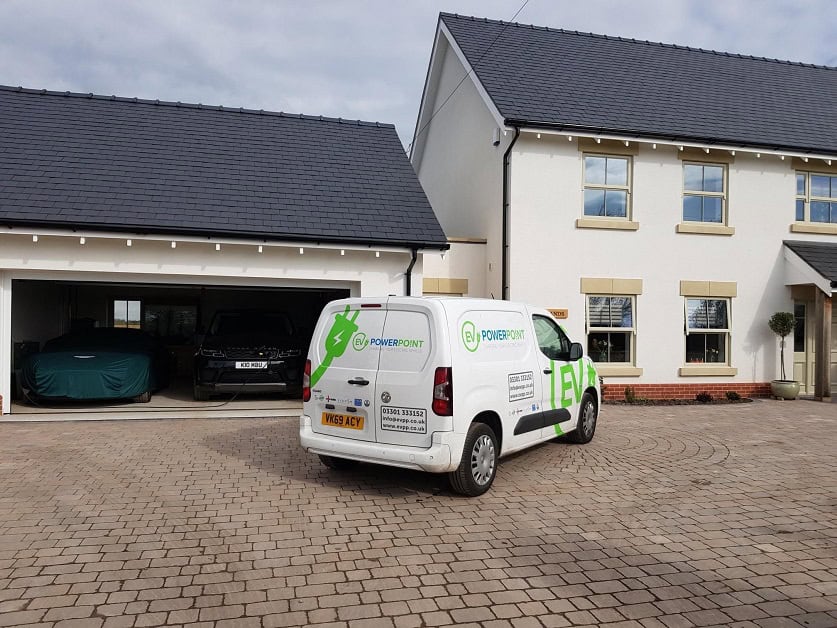
If you have an electric car, Octopus Energy EV charging tariffs can make a noticeable difference to the cost of running it. The important question is which tariff fits your car, charger and daily routine: standard Octopus Go, or Intelligent Octopus Go?
Both tariffs are designed to move EV charging into cheaper overnight periods. However, Intelligent Octopus Go adds automatic smart scheduling, which can find additional low-cost charging slots when your car is plugged in.
In this guide, we’ll compare the two tariffs, explain how they work with a 7kW home charger, and look at popular compatible chargers such as Ohme and myenergi Zappi.
Important: Energy prices and tariff terms can change. The rates and time windows below reflect information available in August 2026, but you should always check your postcode-specific quote and the latest official Octopus tariff details before switching.
Octopus Go vs Intelligent Octopus Go: The quick comparison
| Feature | Octopus Go | Intelligent Octopus Go |
|---|---|---|
| Cheap EV charging window | 00:30–05:30 every night | Smart charging scheduled by Octopus, with a standard home window of 23:30–05:30 |
| Length of guaranteed home off-peak period | 5 hours | 6 hours |
| Smart meter required | Yes | Yes |
| Compatible EV or charger required | No special smart compatibility | Yes : your EV or charger must be supported |
| Who controls charging? | You, your car or your charger | Octopus through the connected EV or charger |
| Best for | Simplicity and predictable scheduling | Maximum automation and potential savings |
| Whole-home cheap rate | During the off-peak window | During the six-hour overnight window |
The crucial difference is control. With Octopus Go, you decide when the car charges. With Intelligent Octopus Go, you tell Octopus when you need the car ready and how much charge you want, then its software schedules charging around cheaper periods.
How much can you save with Octopus Energy EV charging?
The biggest saving comes from replacing daytime charging with off-peak charging.
A 7kW home charger can deliver up to 7kWh of electricity per hour. In theory, five hours of charging on Octopus Go could provide around 35kWh, while six hours could provide around 42kWh. In practice, your car may charge more slowly, stop before the battery is full, or reduce its power as the battery approaches 100%.
For many EVs, that is still enough energy for a substantial daily commute.
Intelligent Octopus Go currently advertises smart EV charging from 8p/kWh, although the exact tariff, day rate and standing charge depend on your region and the deal available to you. Octopus says its smart system schedules charging when electricity is expected to be cheaper and often greener. It may also charge your vehicle outside the usual overnight window while still applying the tariff’s EV charging rules.
Octopus Go is more straightforward. You receive a fixed five-hour off-peak period from 00:30 to 05:30, and you or your charger simply schedules charging during those hours. The exact cheap unit rate varies, so compare the full quote rather than looking at the off-peak figure alone.
Your real saving depends on:
- How many miles you drive each week.
- Your EV’s efficiency and battery size.
- How much charging you complete at home.
- Whether you use other appliances during the cheap period.
- The difference between the tariff’s day rate and your current electricity rate.
For example, a driver who charges 250kWh at home each month will benefit considerably more from a low off-peak rate than someone who mainly uses public rapid chargers.
What happens with a 7kW home charger installation?
A 7kW charger is a very good match for either Octopus tariff. It is fast enough for overnight charging without usually requiring the more complex electrical arrangements associated with higher-powered commercial equipment.
The charger’s power rating and your electricity tariff do different jobs:
- The charger determines how quickly electricity can flow into your car.
- The tariff determines how much each unit of electricity costs at different times.
- The smart connection decides when the charging session takes place.
Installing a 7kW charger does not automatically put you on Octopus Go or Intelligent Octopus Go. You will still need to choose the tariff, have a suitable smart meter and configure the charger or vehicle correctly.
During an installation, we can help you choose a charger that suits your car, driveway, Wi-Fi connection, solar setup and preferred tariff. Our EV charger installation service includes professional fitting, app setup and guidance on using the smart features.
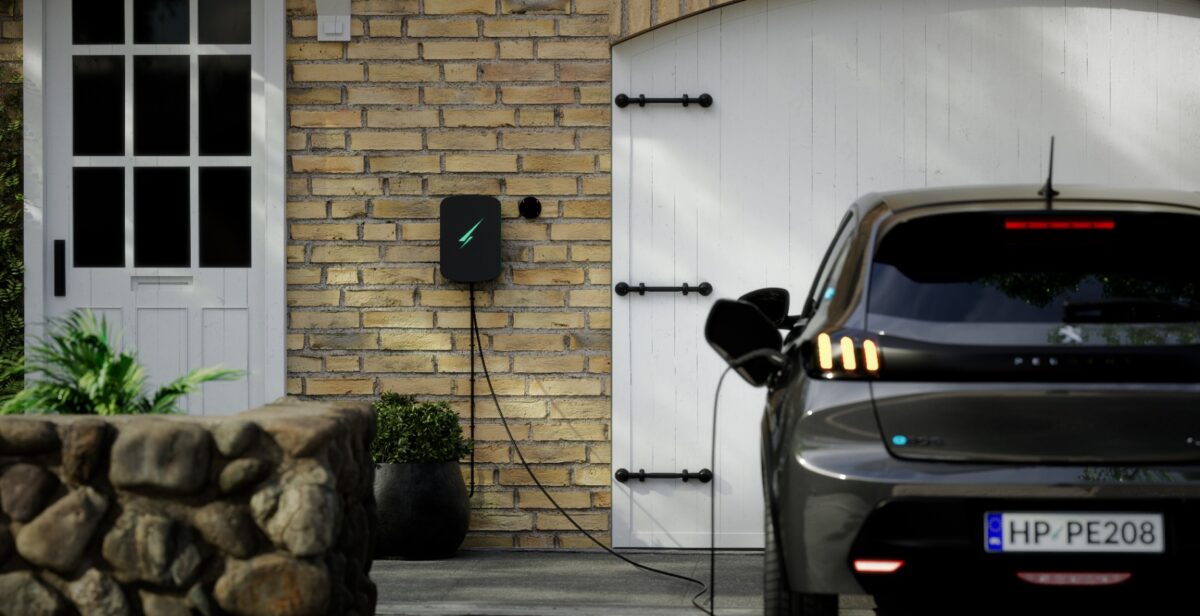
Using Octopus Intelligent Go with an Ohme charger
Ohme chargers are particularly popular with drivers who want tariff-led smart charging. The Ohme Home Pro and Ohme ePod can integrate with Intelligent Octopus Go, allowing you to continue using the Ohme app while the tariff helps determine the cheapest charging periods.
The setup is generally completed through the Octopus Energy app:
- Open the Devices section.
- Select the option to add an electric vehicle or charger.
- Choose Ohme and your charger model.
- Sign in using your Ohme account details.
- Confirm the integration and complete the test charge.
Ohme recommends connecting the charger rather than the car where possible, as this helps avoid two separate systems trying to control the same charging session. You should also avoid leaving conflicting schedules active in both the vehicle and charger apps.
Once connected, you can set a target charge and the time you need the vehicle ready. The Ohme app will then display your charging information and schedule.
If you want a simple, tariff-focused setup and do not need solar diversion, Ohme is often one of the easiest choices for Intelligent Octopus Go. You can see the charger on our Ohme Home Pro installation page.
Using Intelligent Octopus Go with a myenergi Zappi
The myenergi Zappi is a strong option if you have solar panels, or may add them in the future. It can charge from the grid when electricity is cheap and can also prioritise surplus solar generation, depending on your settings.
Zappi is officially supported for Intelligent Octopus Go, but charger-based integration has a few requirements. In particular, myenergi advises that you need compatible firmware, a reliable internet connection and the correct charging mode. Zappi integration also requires local schedules and competing vehicle charge timers to be managed carefully.
The official myenergi Zappi and Intelligent Octopus Go guidance explains the current requirements. Octopus also provides a Zappi connection guide showing how to link the charger through its app.
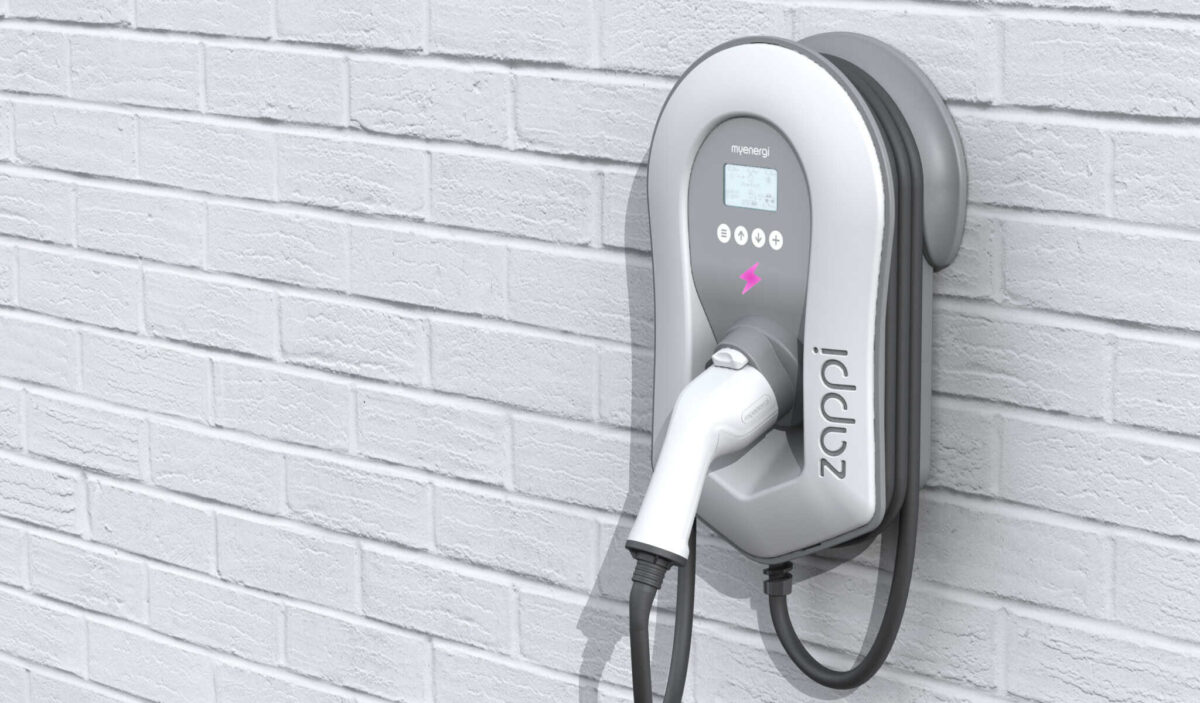
Zappi is a good fit if you want one charger that can handle both smart grid charging and solar energy management. If your priority is simply getting the lowest-cost overnight charge with minimal setup, Ohme may feel more straightforward.
Which tariff is best for you?
Choose Octopus Go if you want simplicity
Octopus Go may be the better option if:
- Your EV or charger is not compatible with Intelligent Octopus Go.
- You prefer a fixed, predictable 00:30–05:30 charging period.
- You are happy to set a schedule yourself.
- You do not want Octopus controlling your charger remotely.
- You already have a basic charger with a reliable timer.
You can use the charger’s built-in schedule, your vehicle’s charging timer or a simple plug-in routine. Just remember to check whether your car’s timer uses local time changes correctly and whether it occasionally overrides the charger schedule.
Choose Intelligent Octopus Go if you want maximum automation
Intelligent Octopus Go is usually the stronger choice if:
- You have a compatible EV or charger.
- You want charging scheduled automatically.
- You regularly drive enough miles to benefit from low-cost charging.
- You are comfortable allowing Octopus to control charging.
- You want to combine smart charging with a compatible 7kW charger.
The tariff can make better use of cheaper half-hourly periods, rather than limiting all charging to one fixed overnight block. That can be especially useful if your car is plugged in for long periods during the evening or overnight.
However, smart tariffs are not completely “set and forget”. You should understand how to use boost or bump charging, check that your car is plugged in when required, and know which app is controlling the charger.
Can EV Power Point install a charger for Octopus Energy?
Yes. We install smart 7kW home chargers from leading manufacturers, including Ohme, myenergi Zappi, Andersen, EO, Ratio and others. We can advise on the most suitable option for your car, tariff, solar panels and property.
We are a family-run team based in the West Midlands, serving customers across Worcestershire, Warwickshire and the surrounding areas. Whether you are in Worcester, Redditch, Bromsgrove, Stratford or further afield, our directly employed engineers provide a tidy, professional installation with clear fixed pricing.
There is no need for a hard sell or a confusing wall of jargon. We’ll explain what works, what does not, and what you can expect from your chosen charger.
If spreading the cost would make installation easier, our EV charger finance options include interest-free payment plans subject to approval.
Final verdict: Intelligent Octopus Go usually wins : if you are compatible
For most EV owners who can use it, Intelligent Octopus Go has the greater savings potential. It combines a six-hour overnight home window with automatic EV charging at selected low-cost periods, making it easier to charge efficiently without constantly checking the clock.
Octopus Go remains a perfectly sensible alternative. Its fixed 00:30–05:30 period is easy to understand, works with a wider range of chargers and gives you more direct control.
The best place to start is by checking your Octopus eligibility, then choosing a compatible 7kW charger that fits your home and driving habits. If you are unsure whether an Ohme, Zappi or another smart charger is right for you, contact EV Power Point for a fixed-price quote. We’ll help you get the hardware and the tariff working together properly.